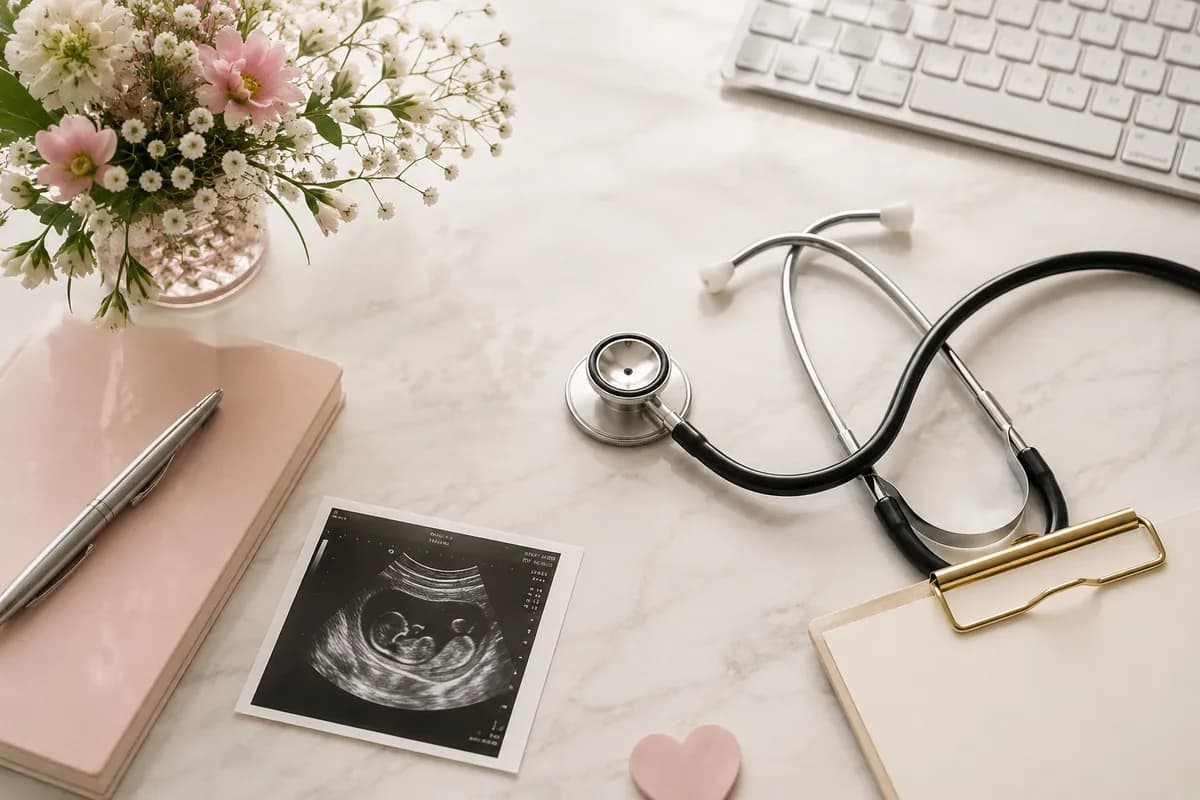
10 Essential Questions to Ask Your Gynecologist Before Every Visit
Before visiting your OB-GYN, having a list of essential questions can help make your appointment more productive and focused. These questions not only improve your understanding of your health but also foster better communication with your doctor. From menstrual health to concerns about pregnancy or menopause, these 10 fundamental questions serve as a practical guide for every woman at any stage of life.
10 Important Questions to Ask Your Gynecologist Before Every Appointment
Visiting a gynecologist is not only necessary when you have a specific health concern. Regular checkups and open communication with your doctor play a vital role in preventing disease, detecting health issues early, and maintaining your overall well-being. Preparing a list of questions before your appointment helps you make the most of your visit and enables you to make informed decisions about your health. Here are ten important questions you should consider asking your gynecologist before every consultation.
1. How is my overall reproductive health?
Ask your gynecologist to provide a general assessment of your reproductive health, including the condition of your uterus, ovaries, cervix, and overall gynecological well-being. Regular evaluations can help identify potential issues before they become serious.
2. Do I need any screening tests or examinations?
Depending on your age, medical history, family history, and lifestyle, your doctor may recommend screening tests such as a Pap smear, HPV test, pelvic ultrasound, or hormone evaluations. Ask which tests are appropriate for you and how often they should be performed.
3. Is my menstrual cycle normal?
If you experience irregular periods, unusually heavy bleeding, severe menstrual pain, or significant changes in your cycle, discuss these symptoms with your doctor. They may indicate hormonal imbalances or other gynecological conditions that require evaluation.
4. How can I protect my fertility?
Whether you are planning a pregnancy soon or simply thinking about the future, ask your doctor how to maintain healthy fertility. Lifestyle habits, age, nutrition, and certain medical conditions can all influence reproductive health.
5. Which birth control method is best for me?
There are many contraceptive options available, and the right choice depends on your health, age, lifestyle, and future pregnancy plans. Your gynecologist can help you choose the safest and most effective method for your individual needs.
6. What lifestyle changes would improve my health?
Healthy eating, regular exercise, adequate sleep, stress management, and maintaining a healthy weight all contribute to better gynecological health. Ask your doctor for personalized recommendations that fit your lifestyle.
7. Are the symptoms I'm experiencing normal?
Symptoms such as pelvic pain, unusual vaginal discharge, itching, vaginal dryness, or pain during intercourse should never be ignored. Discussing these concerns openly helps your doctor identify possible causes and recommend appropriate treatment.
8. How should I prepare for a healthy pregnancy?
If you are considering pregnancy, ask about preconception care. Your doctor may recommend taking folic acid, updating vaccinations, performing certain laboratory tests, reviewing medications, or addressing medical conditions before conception.
9. Which symptoms require immediate medical attention?
Understanding warning signs such as severe abdominal pain, heavy bleeding, persistent fever, sudden swelling, or concerning symptoms during pregnancy can help you seek timely medical care and prevent complications.
10. When should I schedule my next visit?
Before leaving your appointment, ask when you should return for your next examination or follow-up. Regular gynecological checkups are essential for preventive care and maintaining long-term reproductive health.
Conclusion
Preparing questions before your appointment allows you to make the most of your consultation and ensures that your concerns are fully addressed. No question about your reproductive or gynecological health is too small or unimportant. The more informed you are about your body, the better equipped you will be to make healthy decisions throughout every stage of life. Building an open and trusting relationship with your gynecologist is one of the most important steps toward protecting your health, preventing disease, and receiving the highest quality medical care.
please Login to leave a comment
Add Your Comment
Reviews